
Generator Voltage Changes and Restrapping
Getting generator voltage right is one of the most critical steps in any commercial or industrial power project.
Whether you’re installing a new unit or adapting an existing one, voltage mismatches can lead to costly delays, additional equipment, or performance issues. Understanding how generator voltage works and when restrapping is an option can save both time and money.
Voltage Selection and Generator Restrapping Explained
One of the most common questions we see, including through our Genny AI tool, is whether generator voltage can be changed after purchase.
In many cases, it can.
What Is Generator Restrapping?
Restrapping is the process of reconfiguring the internal connections of a generator’s alternator to produce a different output voltage. This is most common in 12-lead generators, which are designed for multiple voltage configurations.
Depending on the unit, restrapping can allow you to switch between:
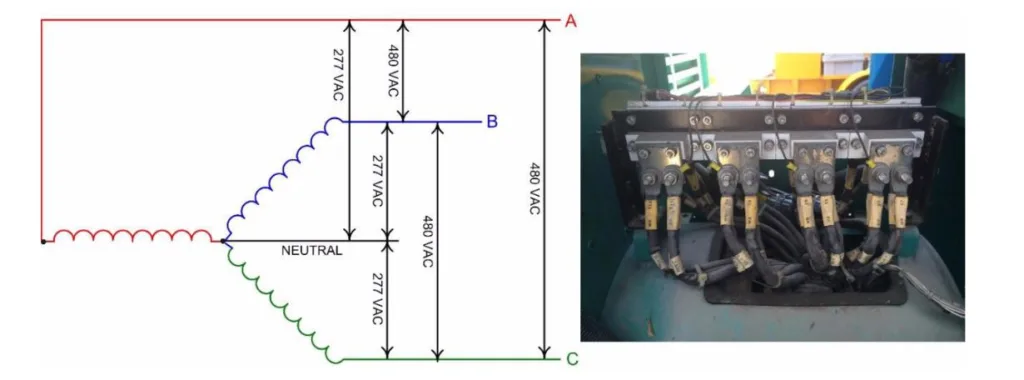
- 277/480V three-phase
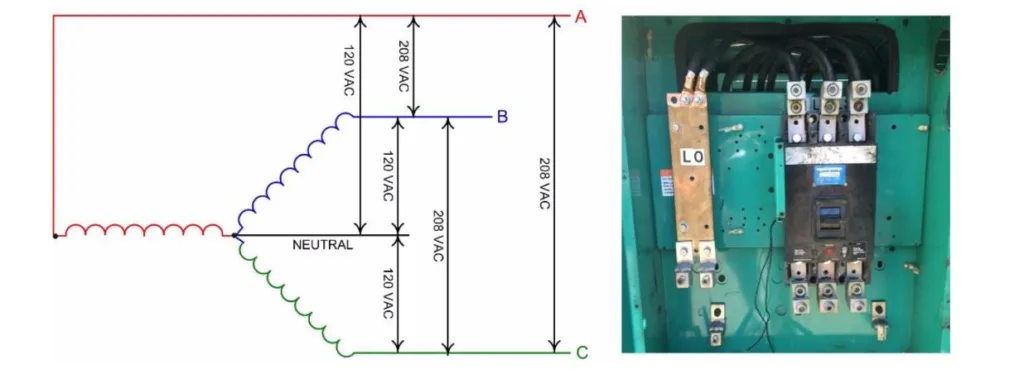
- 120/208V three-phase
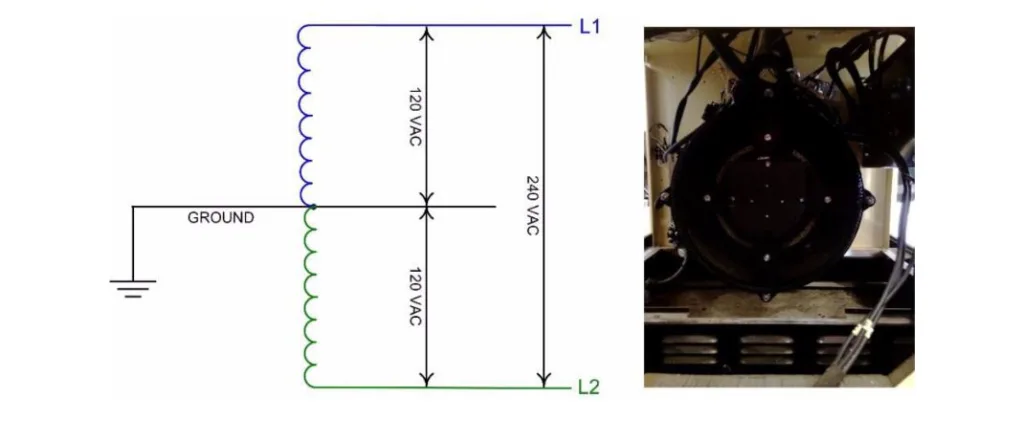
- 120/240V single-phase
This flexibility allows you to match your facility requirements without adding additional equipment.
Why Restrapping Matters
Voltage impacts more than just compatibility. It affects total project cost, install complexity, and long-term usability.
Restrapping can help you:
- Avoid transformer costs
- Reduce installation time
- Use available inventory instead of waiting on custom builds
- Maintain flexibility if your power needs change
In many cases, this can reduce total installed cost by thousands.
Not All Generators Can Be Restrapped
Not every generator offers this level of flexibility.
- 12-lead generators provide the most options
- 6-lead and 10-lead units are more limited
- Some generators are fixed voltage
Confirming this before purchase is critical, especially for fast-moving projects.
Understanding Generator Voltage Options
Generators are built to supply power at specific voltage levels depending on the application.
Common commercial and industrial voltages include:
- 480V three-phase for industrial equipment and large facilities
- 208V three-phase for commercial buildings and mixed-use loads
- 240V single-phase for smaller applications and backup systems
Choosing the correct voltage ensures compatibility with your electrical system and prevents unnecessary modifications.
When Voltage Changes Are Required
Voltage changes are often needed when:
- Relocating a generator to a new facility
- Matching existing switchgear or ATS requirements
- Repurposing surplus or used equipment
- Avoiding transformer installation
In these cases, restrapping may be the most efficient solution if the generator allows it.
What’s Changing in the Industry
Voltage flexibility is becoming more important as power demands evolve across industries.
Mixed-Use Electrical Systems
Facilities are no longer running a single type of load. Many now include:
- IT infrastructure
- HVAC systems
- Industrial equipment
- Office and lighting loads
This increases the need for adaptable voltage configurations.
Increased Demand for 208V Systems
We are seeing more demand for 120/208V generators, especially in:
- Data centers and edge computing
- Commercial real estate
- Temporary and rental applications
Having a generator that can be restrapped expands your options significantly.
Faster Deployment Expectations
With ongoing grid reliability concerns and extreme weather events, speed matters.
Restrapping allows businesses to:
- Deploy faster using available inventory
- Avoid long factory lead times
- Stay operational during outages
Choosing the Right Voltage from the Start
While restrapping provides flexibility, selecting the correct voltage upfront is still the best approach.
Before purchasing, confirm:
- Required voltage and phase
- Load requirements
- ATS and switchgear compatibility
- Future expansion plans
If you’re unsure, tools like Genny AI can help guide you.
Generator Voltage Change Services
Generator Source provides full-service voltage changes for commercial and industrial generators.
Our services include:
- Generator restrapping and reconnection
- Voltage regulator adjustments
- Load bank testing after configuration
- On-site and in-shop support
Whether you’re modifying an existing unit or preparing for installation, our team ensures your generator is configured correctly and ready to perform.